System audit
We examined more than 100 components across design files and production, making duplication, inconsistencies, and gaps visible. The audit became a prioritized working backlog.
Teachable needed a unified design language that could support multiple product teams without sacrificing flexibility or speed. The challenge was to bring design and production into alignment while establishing a system teams could actually adopt.
My role
As Design System Manager, I led a team of designers and front end developers through audit, consolidation, governance, adoption tracking, and documentation for the UNI Design Language System.
The challenge
Figma libraries and production components had drifted apart, creating duplicated patterns and inconsistent interfaces. The system needed a modular foundation, a practical migration path, and governance that balanced consistency with the autonomy of each product team.
How we moved the work forward
Key activitiesThe work combined strategic alignment, practical design work, and validation. Each activity reduced a different kind of uncertainty and helped the team make the next decision with greater confidence.
We examined more than 100 components across design files and production, making duplication, inconsistencies, and gaps visible. The audit became a prioritized working backlog.
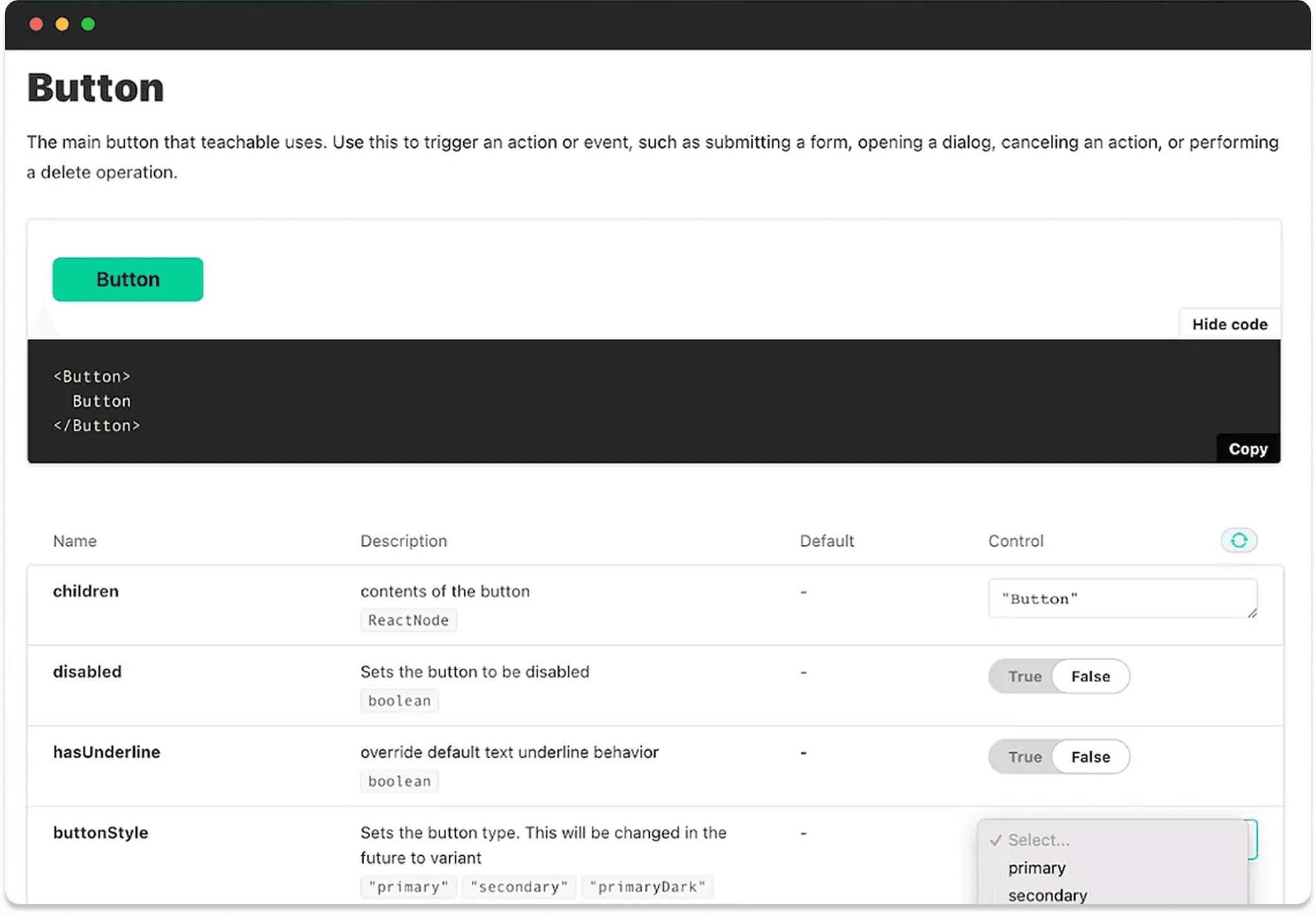
A focused initiative closed the gap between Figma assets and Storybook components. Shared definitions and clearer ownership helped design and engineering work from the same source of truth.
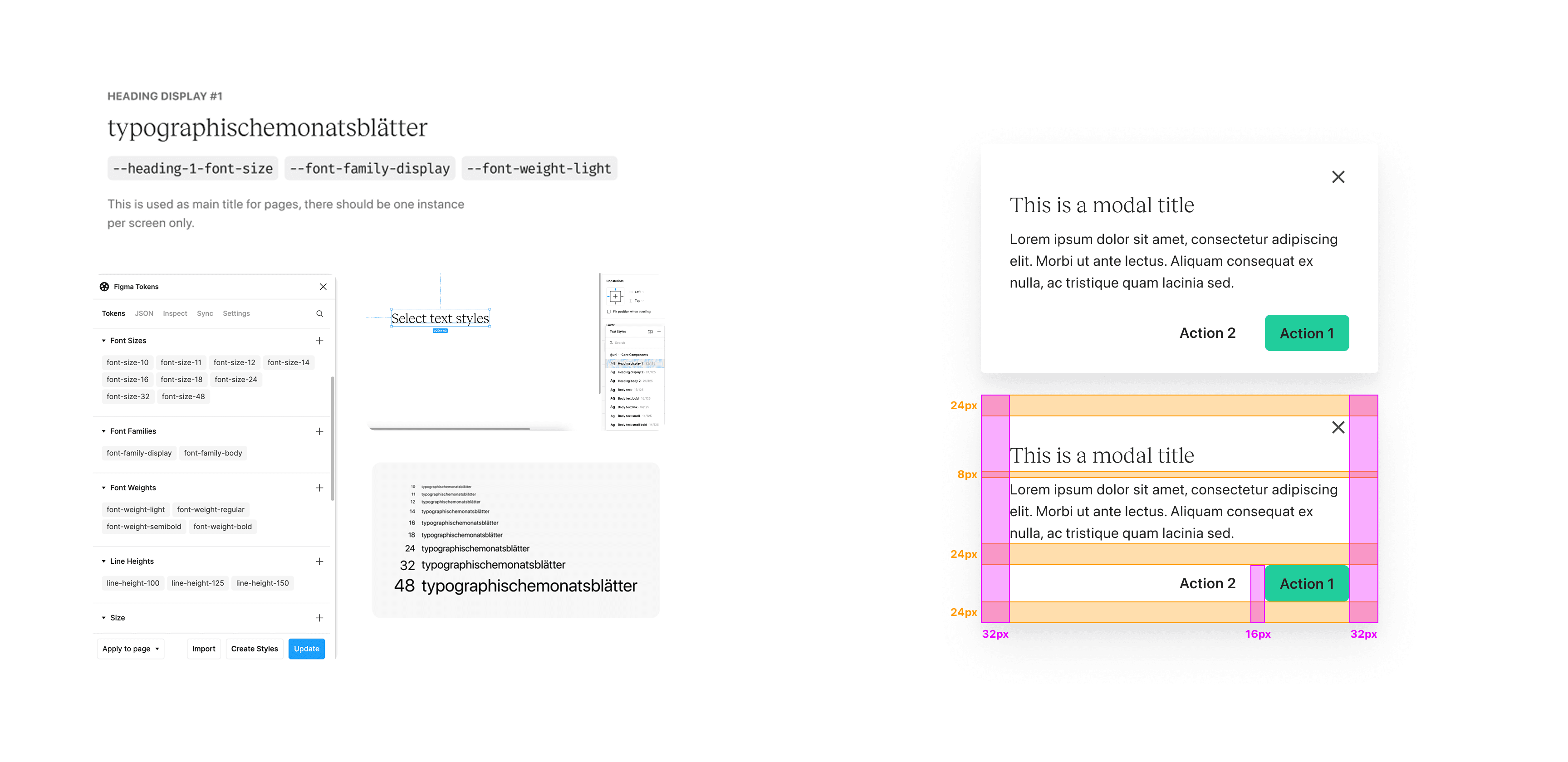
Typography, color, and spacing were consolidated into shared foundations. Tokens made design decisions explicit and provided a reliable layer for consistent implementation.
Using Atomic Design principles, the system organized reusable decisions from atoms to molecules and organisms, creating a composable product language.
We created a plan for integrating UNI into existing products without requiring a disruptive rewrite. Teams gained a practical sequence for adopting shared components while continuing delivery.
Documentation, contribution practices, and adoption tracking supported the system beyond release. Governance created a repeatable way to evolve patterns while maintaining quality.
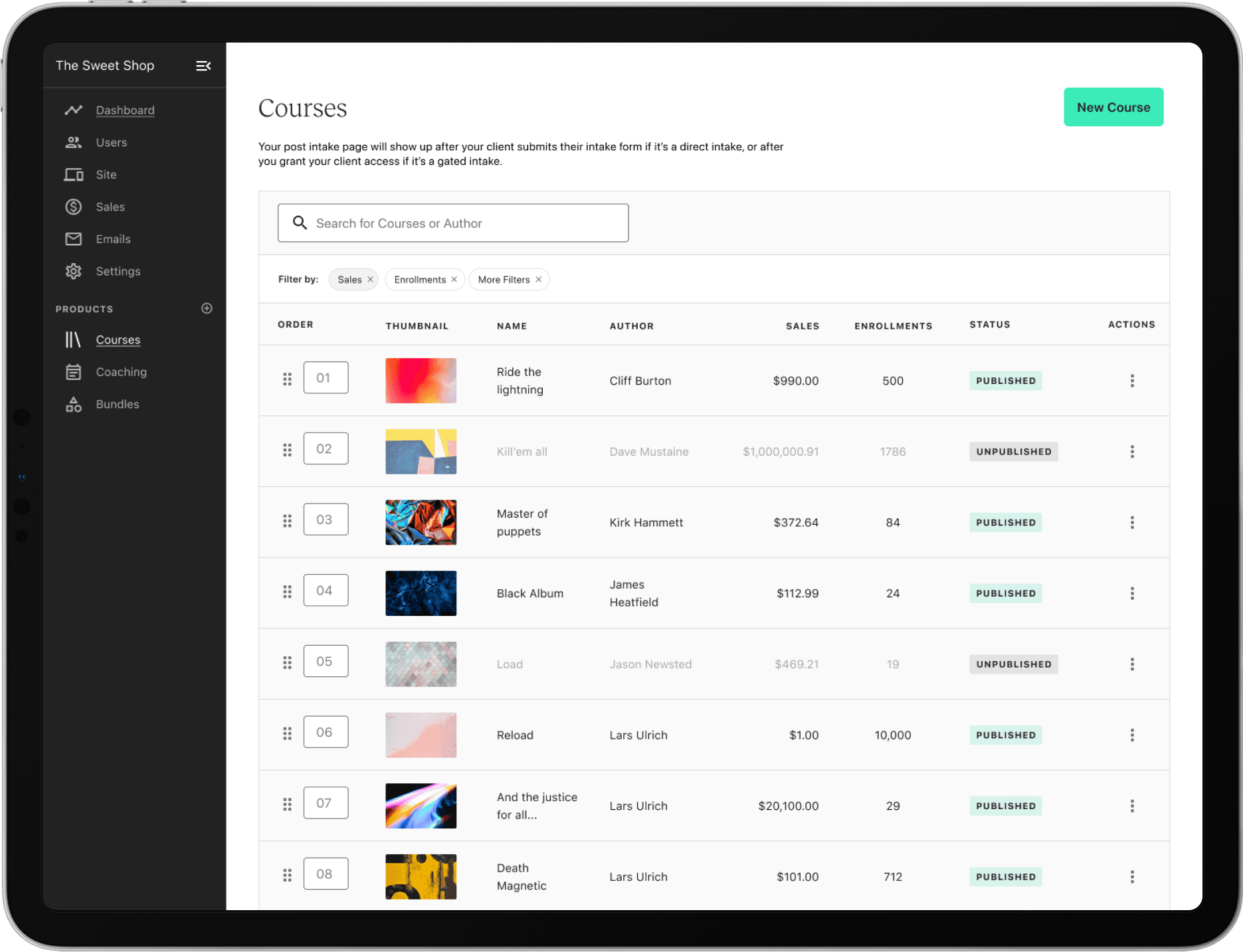
The course listing flow became a pilot for UNI. Applying system components to a real interface demonstrated the relationship between foundations, reusable patterns, and a coherent customer experience.
Outcome
“Fernando took a mess of a system, and within a few weeks, set us back on track. My only regret is not having brought him on sooner.”C.J.P., Senior Product Design Director